
I am mixed – African American and Irish. My mother is Black, and I grew up firmly rooted in African American culture while also embracing my Irish heritage. Both sides of my lineage carry histories of oppression and slavery – pasts many would rather overlook. Black friends have told me I have “that good mixed hair,” “that good light skin,” and “dem good pretty eyes.” I have always known I was different – family, friends, teachers, and even strangers have reminded me, often playing the “guess Deanna’s race game” without asking. When people see me on the street or in the mall, they land on one of two guesses: Black with something, or Dominican with something. Never White with something.
If the whole world keeps knocking on my door with my “otherness,” insisting I am not White alone, why do I still feel unwelcome in conversations about #BlackLivesMatter? Why have I argued – mostly with Black women on Facebook – who tell me I cannot be part of the movement because of my light skin and nice hair? Because of an assumed privilege those physical traits may or may not have granted me? Because they assume my mother is White and did not raise me through the lens of a Black person in the United States (not that I am saying mixed-race people with White mothers deserve less access to this movement – this is simply an argument I have had with another Black woman)? Why am I devalued by African Americans (most of whom, sadly, have White ancestry due to rape during slavery) when I carry just as much soul, anger, and hunger for equality as they do?
An article by Shannon Luder-Manuel, a mixed-race writer in Los Angeles, struck me deeply with its opening line: “When I talk about my family culture, I’m mixed. When I talk about racism, I’m black”.[1] Praise God, Hallelujah – Shannon, you said what we are all thinking. As mixed-race people, we walk a tightrope: lean one way and we claim our mixed identity and both sides of our heritage; lean the other and we can choose which part of our heritage to fall back on. When Trayvon Martin was murdered in 2012, I was in my first year of undergrad. I cried for days. I saw my cousins in him – Black men I was raised with, loved, and guided by my whole life. I saw my future children in him – kids who, no matter whom I marry, will be “others” just like me, just like Trayvon. When Sandra Bland was killed over a failure to signal, I saw myself – a woman of color who forgets the boring tasks while driving. I have never been pulled over (knock on wood), but I have never been this terrified or this aware.
I am not claiming my ambiguous looks give me no advantage against police brutality – I know I confuse people, and that confusion works in my favor. I know that because White people cannot pinpoint my exact ancestry (I have been guessed as Indian mixed with Dominican), I have a better chance of avoiding the historical traps for Black people, such as DWB (Driving While Black). I know my designer clothes (my mother buys them for me – I am poor, guys) and my fancy car help me assimilate into “White” culture. I know that the preference for my lighter skin and fluffy curls, inside and outside the Black community, places me near the top of most ethnic status quos. Yet even with these “privileges” (I do not necessarily see them as such, because the foundation of my body is still “other” and I will never fully be accepted by the White community), I am still at risk, my family is still at risk, my future family will still be at risk. As long as my body and the bodies connected to me, now and in the future, are deemed “not White,” I will forever fight for the Black Lives Matter Movement.
When the entire Black community accepts me – and others with the same intentions and racial ambiguity – the Black Lives Matter Movement will only grow stronger. It will show White people that nothing, not even having White ancestry, can break us. We will always stand together and fight until our bodies and the bodies of our loved ones are protected from outside harm. Are we Black enough yet?
[1] See: Luders-Manuel, Shannon. (2015). “What it Means to be Mixed Race during the Fight for Black Lives.” For Harriet. Accessed August 9, 2016: http://www.forharriet.com/2015/08/what-it-means-to-be-mixed-race-during.html#axzz4Gt2dOOi3.
Deann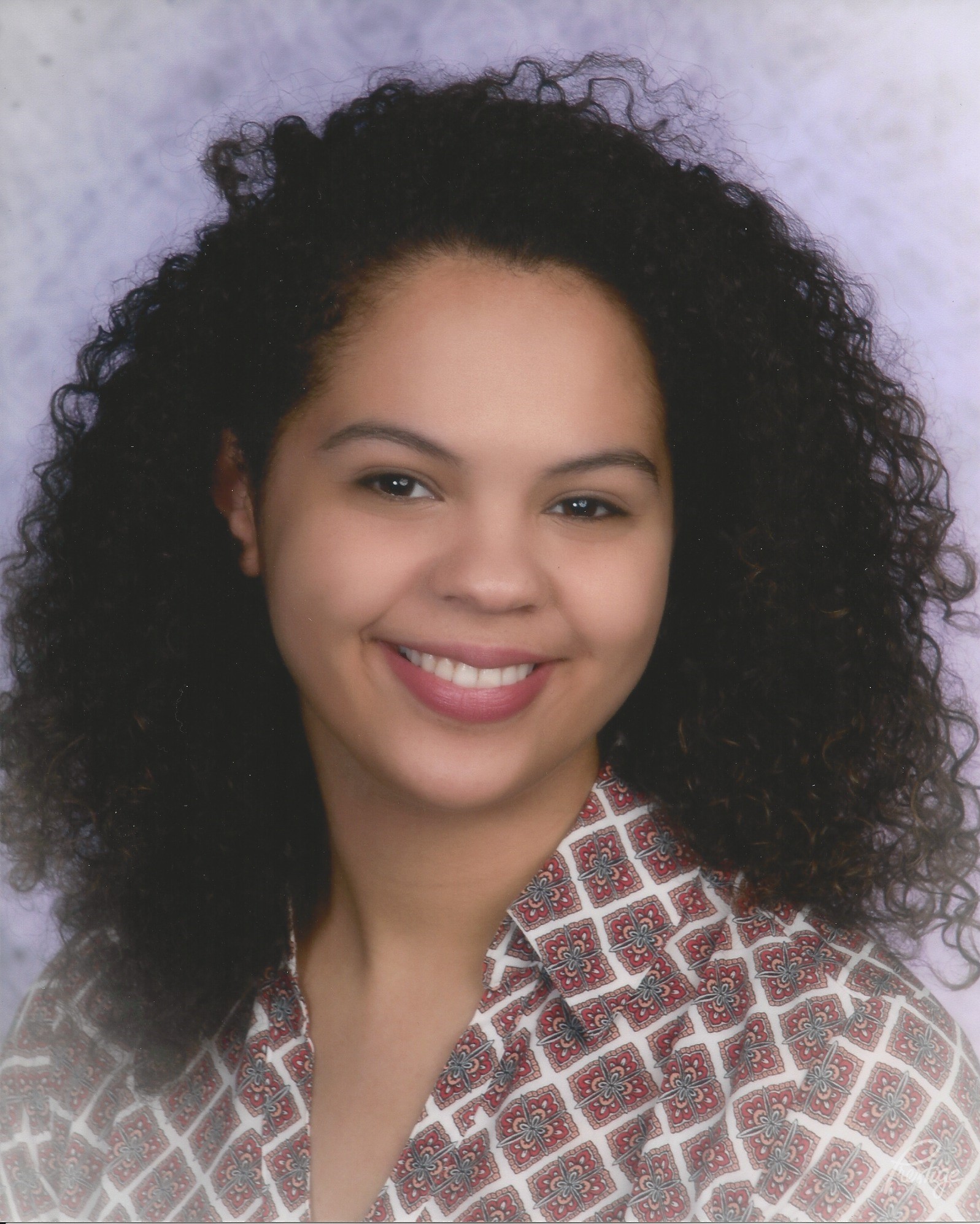 a Keenan lives in Upstate New York and recently earned B.A.s in Psychology and Africana Studies from Binghamton University, with honors in Africana Studies. She works as a Copy Editor for Africa Knowledge Project, a publishing house with journals covering many aspects of the African Diaspora. She is also the Guest Blog Coordinator for Mixed Roots Stories and an Adjunct Lecturer at Binghamton University for the 2016-2017 school year, teaching Africana Studies 101. Her work has appeared twice in the journal ProudFlesh, with two more pieces in production, and she has presented at the American Public Health Association (November 2015). She hopes to continue her education in Developmental Psychology, researching Mixed Race identity formation and other topics related to this population.